
MobileSec #2: Recording your mic without permission, 8 ways into your iPhone, and 153 million stolen IDs
Published November 27, 2026 · 8 min readThis issue is a bit late: I spent the time building PoCs for the CVEs instead of writing.
In this issue:
- an iOS audio daemon took an app’s word for who it was
- a Samsung daemon mistook an app for the system
- 178 websites ran a stranger’s script because it came from a vendor’s address
- every browser on your iPhone is WebKit underneath
- a real ID turns out to be no proof that its real owner is holding it
Mobile
No permission, no orange dot, still recording (CVE-2026-65339)
The rumors and fears many people had turned out to be true (in a way). Meta Red Team X published a write-up of CVE-2026-65339, a bug that let any app record from the microphone without permission. The culprit is audiomxd, the iOS audio daemon: before letting an app use the mic, it checked an identity token that the app passed in itself, instead of checking who was actually calling. So an app could simply claim to be someone who had mic access. I reproduced it on an iPhone 12 (iOS 26.0.1) and on iPadOS 26.5, and the orange dot never showed up. On an iPhone 17e (iOS 26.3) and an iPhone Duo (iOS 27.1) it didn’t work, and I couldn’t get it to record in the background either. I wish I could share it, but I believe it’s not responsible, even with the bug patched — not everyone’s updated yet.
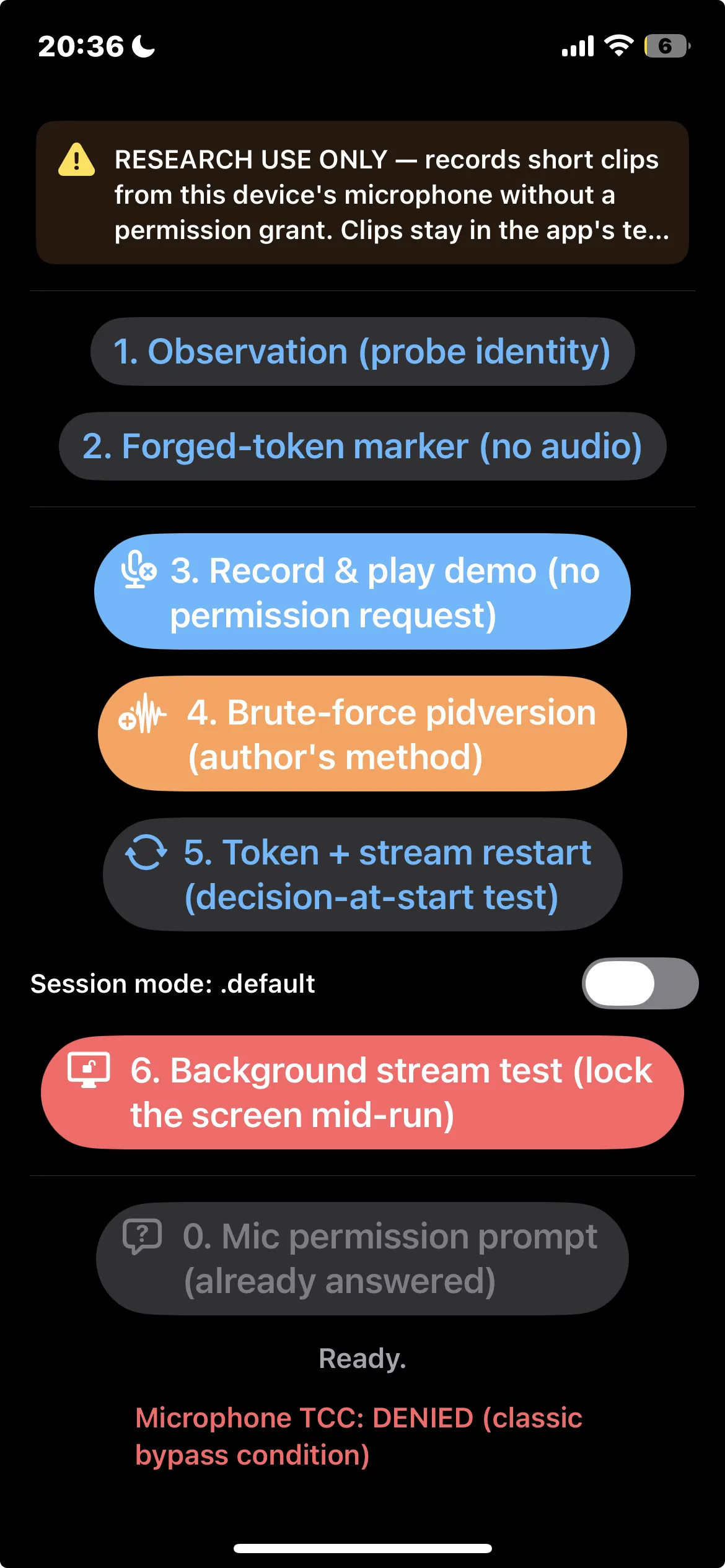
The bug is already fixed in iOS 26.6.1 and 18.7.11.
If we speculate a bit: in theory, some apps could have recorded you this way, but the risk for them is huge. Get caught once and you’re out of the App Store forever. One-off apps and app clones, of course, could do such nasty things. But I’d be more afraid of smart TVs: check out what @log4j on X claims to have found inside a Samsung TV (not independently confirmed yet), or just read the article by Danny Bradbury. Or smart speakers and voice assistants: Google paid $68M to settle claims that its assistant recorded people who never said the wake word. Apple paid $95M over the same thing with Siri. And Amazon Alexa now sends every voice request to the cloud, with no local voice processing.
Of course, I mean listening for marketing. State spying, Pegasus-style spyware and tapped calls are a different story :)
8 ways an exploit kit reaches your iPhone (two are new)
The big story of the month was the Optimizely hack. Through a flaw in the signup flow, an attacker wrote their own JavaScript into customers’ A/B testing scripts, and on November 16 that code spent most of a day on the websites of 178 companies, including Zoom, HSBC and the BBC.
For every visitor, the script swapped crypto wallet addresses (you copy an address, paste it to send money, and a different one gets pasted — it’s easy to miss, so always double-check the address before you send). And not only on copy: it rewrote addresses right in the page text, in form fields, and in links and images.
It also stole bank cards from checkout forms: number, expiry date and CVV. It didn’t take the name or address, but it doesn’t need them: number, expiry date and CVV are enough to pay at many online stores.
And for iPhones on older iOS versions, the script also loaded exploits to hack the phone itself. That means the attacker breaks out of the browser and gets to data outside it. In earlier campaigns, for example, DarkSword pulled Notes and the list of installed apps, and Coruna stole crypto wallet seed phrases.
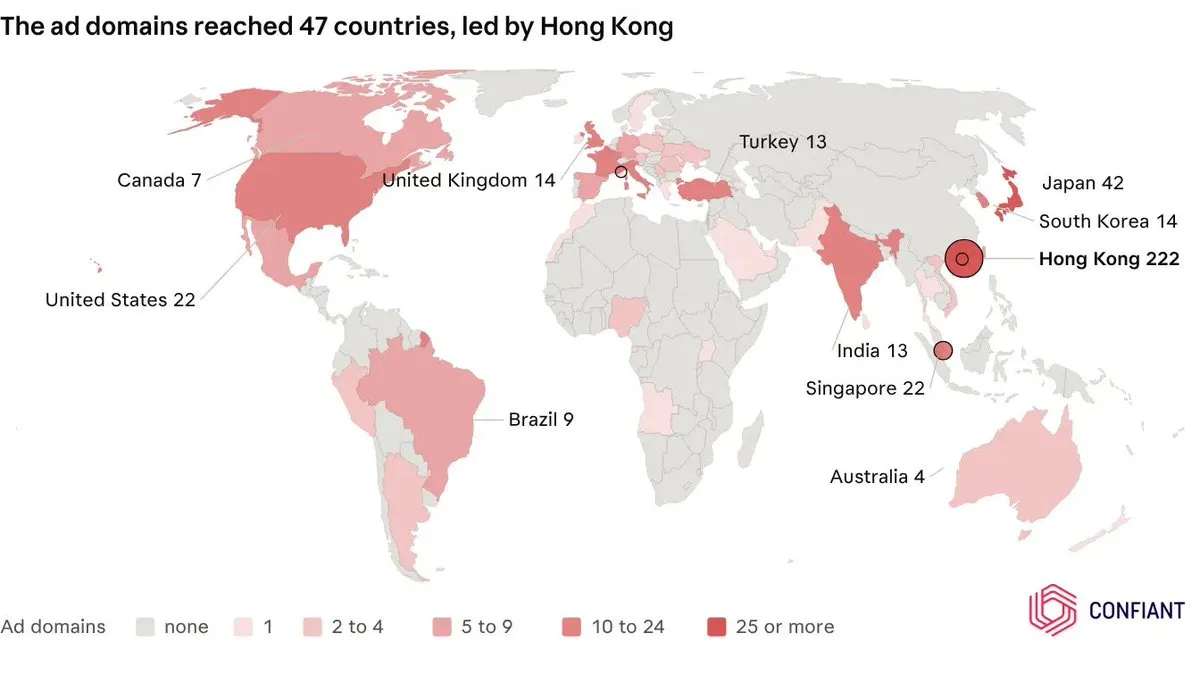
These exploits aren’t new. Researchers identified them as Coruna (iOS 13–17.2.1) and DarkSword (iOS 18.4–18.7), the kits I wrote about in issue #0. What’s new is the delivery through Optimizely. And now there’s one more route, MoldyRoost: the attackers simply bought ads on 480+ domains, and the page behind the banner picked an exploit for the visitor’s iOS version.
Here are all the known ways these kits have reached iPhones:
- compromised websites shown to selected victims (Ukraine): GTIG
- fake crypto exchanges: GTIG
- old ad and analytics scripts on abandoned domains: iVerify
- Instagram ads: iVerify
- hacked online stores: iVerify
- a compromised npm package: Zimperium
- the Optimizely script on 178 companies’ websites: Report URI
- MoldyRoost’s purchased ads on 480+ domains: Confiant
For iOS, all 8 routes end at the same door: WebKit. And on an iPhone you can’t pick another one: Chrome and Firefox there are WebKit under a different icon. Apple has allowed other engines in the EU since iOS 17.4, but Mozilla says the conditions are unworkable, and nearly three years in, not one non-WebKit browser has shipped. To be fair, another engine wouldn’t have helped here: if the chain fails in Chrome or Firefox, MoldyRoost simply reopens the page in Safari.
The delivery channel keeps changing, but the holes stay the same, and Apple has patched all of them: in iOS 26.3 and later, and in iOS 18.7.7 for devices that stay on iOS 18. None of these kits is known to work on an up-to-date iPhone.
Biometrics
Selfies in everyday apps
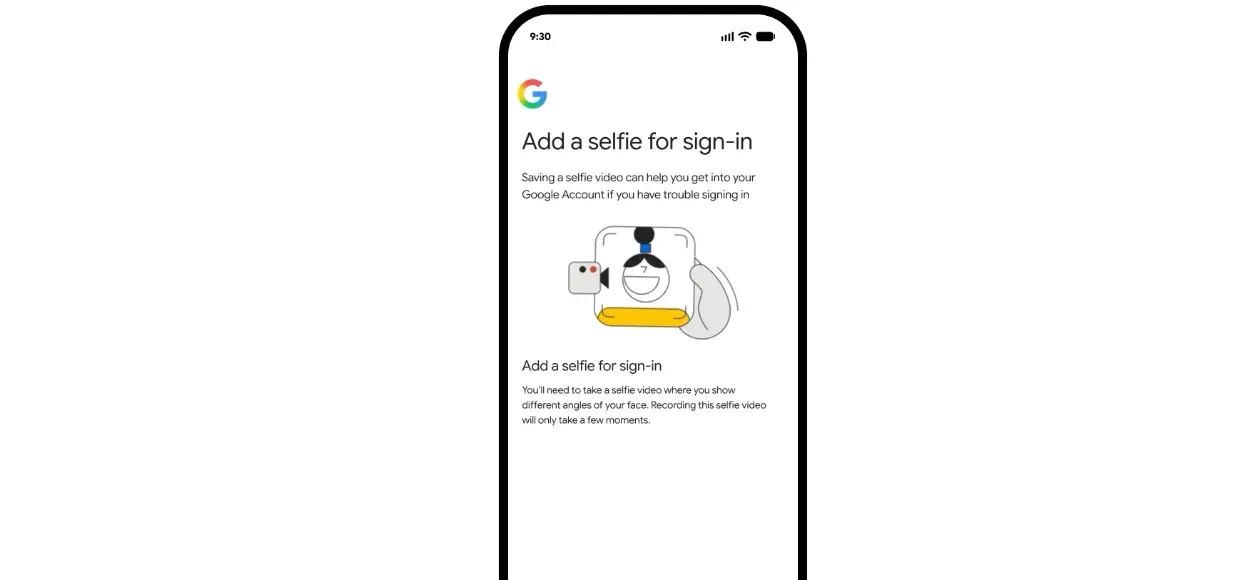
TikTok and Google both want your face in their databases. TikTok taps Jumio to verify creators for its new opt-in tool that finds unauthorized AI likenesses. Google keeps rolling out selfie video sign-in for account recovery: it popped up for me while I was writing this issue :D Google says hardware signals confirm the video comes from a real camera “on supported devices”; TikTok describes no liveness check at all. Back in July, Reality Defender enrolled a deepfaked face in Google’s flow twice out of two tries. Turns out liveness checks, and catching presentation and injection attacks (PAD/IAD), aren’t easy after all.
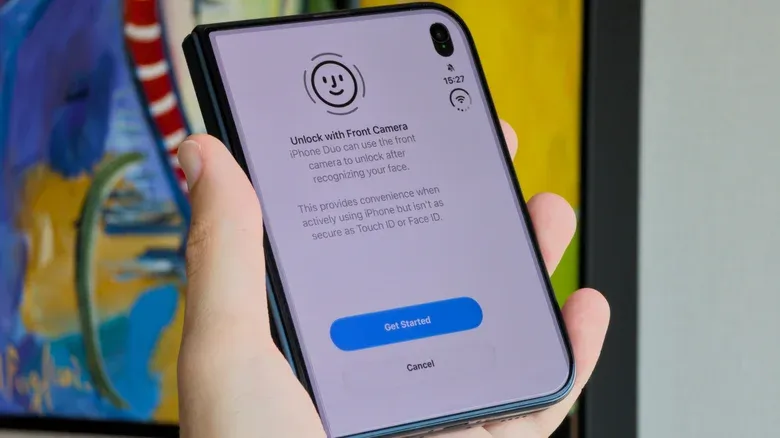
Meanwhile, iOS 27.3 beta 2 adds Unlock with Front Camera to the iPhone Duo, which has no TrueDepth camera. So there’s no 3D depth check like Face ID’s. Apple itself warns it “provides convenience” and “isn’t as secure as Touch ID or Face ID”. Here’s a video of how it works.
Apple Pay, saved passwords and locked apps still ask for Touch ID. But anyone it lets in sees your messages, photos, mail and every app without its own lock, and Tom’s Guide suspects a similar-looking face might be enough. So far, the only public spoof attempt, a photo, didn’t fool it.
Stolen IDs
Colorado’s digital ID app, myColorado, has been offline since November 18, when the state’s security alerts caught someone inside the app’s Amazon cloud. About 100,000 of its 2.1 million users had their uploaded documents exposed: photos and PDFs of passports, vehicle registrations and insurance cards. The state hasn’t said how the attacker got in. The same week, Java, NGINX and PHP shipped fixes for critical RCEs, though nothing links them to this breach. Add Colorado’s own IT office admitting to shipping code by hand and a fragile stack from deferred maintenance, and here we are :/
And it’s not the only one this year: Revolut handed customers’ passports and driver’s licenses, possibly selfies too, to scammers posing as a government agency; IDScan.net, a company that checks IDs, was breached, and 153 million driver’s license scans went up for sale; a UK visa site and a Japanese hotel check-in system left passports and selfies in open Amazon buckets.
Stolen IDs like these can end up in verification flows. Veriff’s Identity Fraud Report says 31% of the fraudulent documents it caught started as a real person’s genuine ID, and about 9% of documents rejected for fraud showed up again at another business, roughly four weeks later. Veriff calls these “zombie identities”. It’s vendor data, but it’s exactly why a real ID alone proves nothing.
Before You Go
- CocoaPods Trunk goes read-only on December 2: existing pods will still install, but no new versions can be published, security fixes included. If a dependency you ship still lives only on CocoaPods, it’s time to move it to SPM.
- A Samsung daemon mistook an app for the system: Calif rooted a stock Galaxy S26 from an app with zero permissions. Just like the audio daemon on iOS. Fixed in Samsung’s August and September updates.
- Telegram’s new bot widgets run JavaScript right on your phone. A day after someone showed an RCE, Telegram moved the engine into a sandbox, and two days later NebuSec got out of it on Android anyway, by two different paths. Give it a month before someone builds an exploit kit around it.
- Backdoor in iCloud? A UK tribunal ruled that the Home Office can no longer refuse to confirm it served Apple a technical capability notice, the secret order reportedly demanding access to encrypted iCloud backups. Apple already pulled Advanced Data Protection for UK users over this order. Outside the UK, you can still turn it on. For photos alone, self-hosted Immich is an option.
That’s it for #2. Forward it to a colleague who’d find it useful, and reply with what you’d like me to cover next :)
See you in #3.